Source Portable Knitting and Crochet Crafts Pompon Maker for DIY, Sewing, and Crafting
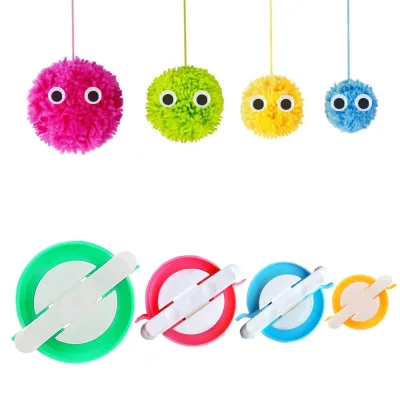
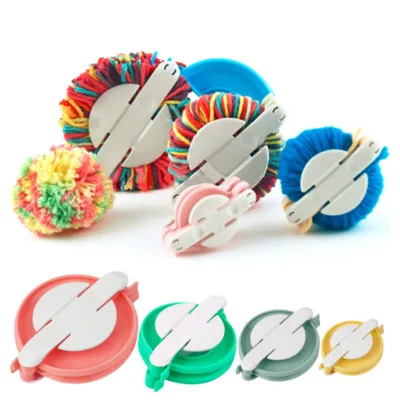
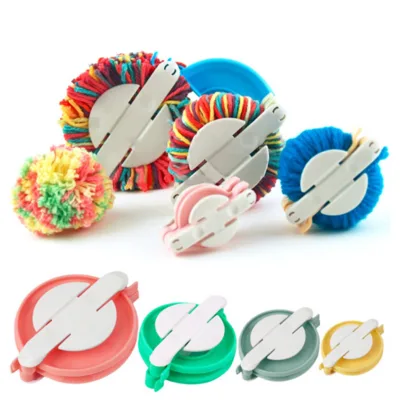
Find and compare 30 listings for the portable knitting and crochet crafts pompon maker. These ABS plastic tools are available in various sizes and colors, featuring manual operation and long-life durability for consistent results.
Key considerations
Products List











Comprehensive Sourcing Guide
Portable Knitting and Crochet Crafts Pompon Maker Sourcing Guide
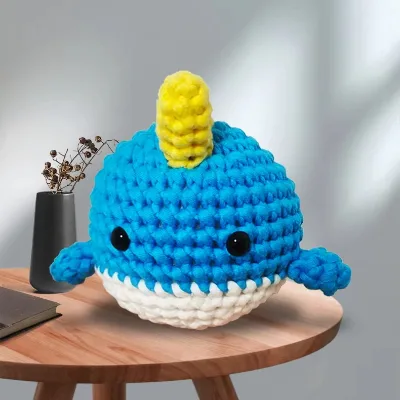
Sourcing portable knitting and crochet crafts pompon makers requires a clear understanding of the distinction between industrial textile machinery and consumer-grade crafting tools. While some listings may reference heavy-duty equipment like shuttle looms, the core keyword focuses on handheld devices designed for creating decorative pom-poms for yarn crafts. Buyers must carefully filter search results to identify products that align with the specific utility of hand-sewing and yarn manipulation rather than automated textile production. The market offers a variety of forms, from simple plastic templates to more complex multi-size sets, each serving different levels of craft complexity and volume requirements.
The procurement landscape for these items is characterized by a wide range of customization options and material compositions. Suppliers often provide products made from durable plastics such as ABS, which offer a balance of cost-efficiency and longevity for repeated use. These tools are frequently marketed with advantages such as low pricing and OEM capabilities, making them attractive for private labeling or bulk corporate gifting. However, the presence of conflicting product attributes in general listings necessitates a rigorous verification process to ensure the selected tool matches the intended application, whether for individual hobbyists or small-scale craft businesses.
Product Scope and Observed Listing Signals
The observed product scope reveals a diverse array of items that may or may not align with the specific needs of a buyer seeking a portable pompon maker. Listings indicate the availability of products with attributes such as "Shuttle Loom" or "Sewing Machine Type," which are fundamentally different from the handheld templates typically used for making pom-poms. Buyers must scrutinize product titles and descriptions to distinguish between actual pompon makers and unrelated textile machinery. The presence of terms like "Knitting Yarn" or "Knitting Tool" in broader categories can lead to confusion, so verifying the specific function of the item is critical before placing an order.
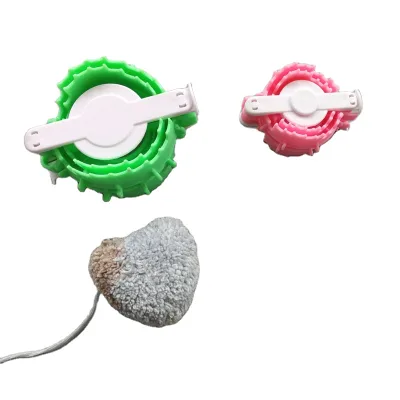
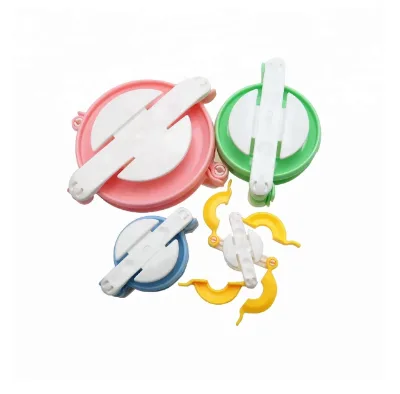
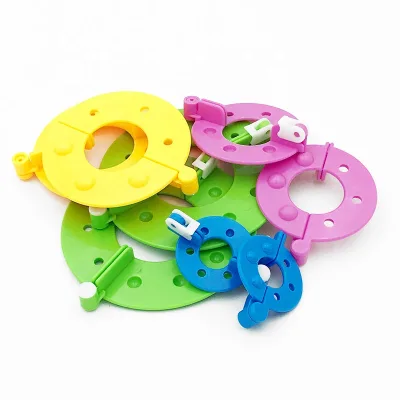
Visual and descriptive signals provide further insight into the nature of the available products. Many listings highlight features such as "Portable Pocket-Sized" designs and "Hand Sewing" usage, which are consistent with the core keyword. Colors range from standard options like pink, yellow, blue, and green to specific variants like white, allowing for aesthetic customization. Some products are described as having a "Simple" style and "Durable" features, which are desirable traits for tools that undergo frequent handling. Additionally, the availability of "Customized" sizes and models suggests that buyers can request specific dimensions to suit particular yarn thicknesses or desired pompon sizes.
Technical Specifications to Verify
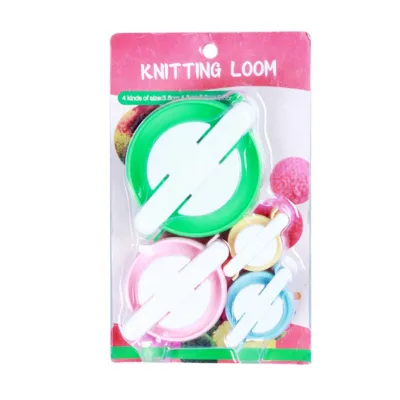
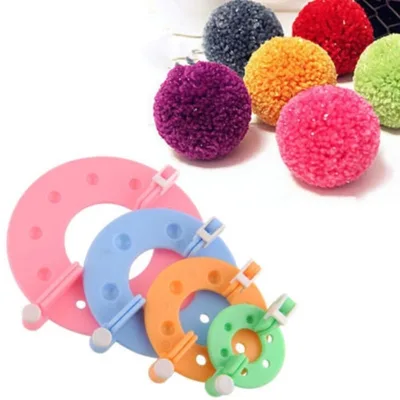
Verifying technical specifications is essential to ensure the pompon maker meets the desired output quality and usability standards. Key dimensions to confirm include the size of the cutting blades or templates, which are often available in sets ranging from 3.5cm to 9.0cm or specific measurements like 3.6cm to 8.8cm. The overall dimensions of the tool, such as a length of 11.5cm or a package size of 15x15x6 cm, impact portability and storage. Buyers should also check the weight of the unit, with some products weighing around 110g or 0.8 kg per set, to ensure it is comfortable for extended use without causing hand fatigue.
Material composition and structural integrity are other critical technical factors. Most portable pompon makers are constructed from ABS plastic, which provides the necessary rigidity for cutting yarn cleanly. The thickness of the material, often cited as 3 mm, contributes to the durability of the tool. It is important to verify whether the product is sold as a single item or in sets, as this affects the variety of pompon sizes a user can create. Additionally, checking the model number, such as CN016 or CN062, can help in identifying specific features or compatibility with replacement parts if needed.
Compliance and Safety Documentation
While specific certification requirements may vary by destination market, buyers should prioritize products that adhere to general safety standards for consumer goods. Since these tools are often used by individuals of all ages, including children, ensuring that the materials used are non-toxic and free from harmful chemicals is paramount. Buyers should request documentation confirming that the ABS plastic used in manufacturing meets relevant safety regulations for toys or craft supplies. This due diligence helps mitigate risks associated with product liability and ensures a safer user experience.
Packaging and labeling compliance are also important aspects of the procurement process. Products are typically packed in polybags or cartons, with specific quantities per carton, such as 120 sets. Buyers must ensure that the packaging includes clear instructions for use, which can enhance customer satisfaction and reduce misuse-related injuries. Additionally, verifying that the product labeling includes accurate information about the manufacturer, country of origin, and care instructions is essential for regulatory compliance in international trade.
Cost Drivers and Commercial Terms
The cost of portable pompon makers is influenced by several factors, including material quality, customization options, and order volume. Products with OEM capabilities and low price points are common, making them suitable for high-volume purchases. However, buyers should be aware that customization, such as specific colors or packaging, may incur additional costs. The observed MOQ ranges from 1 to 5000 pieces, with some suppliers requiring a minimum of 120 sets or 2000 pcs. Understanding these thresholds is crucial for budgeting and inventory planning.
Commercial terms such as lead times and shipping methods also impact the total cost of ownership. Buyers should negotiate clear terms regarding production lead times, especially for customized orders. Payment terms and currency options should be agreed upon upfront to avoid financial discrepancies. Additionally, considering the weight and dimensions of the product, which can affect shipping costs, is important for calculating the landed cost. Efficient logistics planning can help minimize expenses and ensure timely delivery to the end market.
Supplier Qualification and Quality Control
Selecting a reliable supplier is vital for maintaining consistent product quality and service. Buyers should verify the supplier's location, with many originating from regions like Ningbo or Zhenjiang in Jiangsu, China. Checking the supplier's business history, production capacity, and quality control processes can provide insights into their reliability. Suppliers that offer OEM services and have a track record of exporting to markets like North America, South America, and Europe are often more experienced in meeting international standards.
Quality control measures should be implemented throughout the production process. Buyers can request samples to evaluate the product's durability, ease of use, and finish. Inspecting the packaging for damage and verifying the accuracy of the product specifications upon receipt are also important steps. Establishing a clear communication channel with the supplier for addressing any issues or discrepancies ensures a smoother procurement experience. Regular audits or third-party inspections may be beneficial for large orders to maintain quality standards.
Long-Term Procurement Checks
Long-term success in sourcing portable pompon makers depends on continuous monitoring of market trends and supplier performance. Buyers should stay informed about changes in material costs, regulatory requirements, and consumer preferences. Regularly reviewing supplier performance metrics, such as on-time delivery rates and product defect rates, helps identify potential issues early. Building a strong relationship with suppliers can lead to better pricing, priority production, and access to new product developments.
Additionally, buyers should consider the lifecycle of the product and plan for potential replacements or upgrades. As crafting trends evolve, there may be a demand for new designs or features in pompon makers. Maintaining a diverse supplier base can mitigate risks associated with supply chain disruptions. By proactively managing these aspects, buyers can ensure a steady supply of high-quality products that meet the evolving needs of their customers.
FAQs
What is the minimum order quantity for these pompon makers?
The minimum order quantity varies by model, with observed values ranging from 120 sets to 2000 pieces. Buyers should verify the specific MOQ for their chosen item number, such as CN016 or CN062, before placing an order.
Can I request custom sizes for the portable pompon maker?
Yes, customization is available for the product size, with options including 3.5cm, 5.5cm, 7.0cm, and 9.0cm. The standard package dimensions are also customizable to meet specific shipping or storage requirements for bulk orders.
Which materials are used to construct these sewing accessories?
These portable tools are primarily constructed from durable ABS plastic or general plastic materials. The design ensures a long life while maintaining a lightweight profile suitable for hand sewing and crafting applications.
What is the typical lead time for orders from Ningbo?
Specific lead times are not explicitly stated in the provided product facts, but the origin is listed as Ningbo and Zhenjiang in Jiangsu, China. Buyers should contact suppliers directly to confirm current production schedules and delivery windows.
How are the pompon makers packaged for international shipping?
Products are typically packed in polybags and cartons, with bulk shipments often containing 120 sets per carton. The single package size is approximately 15x15x6 cm, ensuring efficient handling during transit to North America or Europe.
Are these portable sewing tools suitable for making flower pompoms?
Yes, the application is explicitly designed for creating flower pompoms and general knitting yarn tools. The device features a simple style and smooth operation, making it ideal for various hand sewing and crafting projects.